Why Doing Nothing Can Sometimes Be The Smartest Choice?

In a world that constantly promotes action, productivity, and hustle, the idea of doing nothing may seem unproductive or even lazy. However, there are moments when stepping back is not only beneficial but also the smartest decision you can make. Even during routine tasks like checking service plus bihar download certificate, taking a pause can provide clarity that constant action cannot. Doing nothing, when done intentionally, creates space for better thinking, deeper understanding, and smarter choices.
The Pressure To Always Stay Busy
Modern lifestyles often equate busyness with success. People feel the need to always be doing something, whether it is working, learning, or staying connected online. This constant activity creates pressure to fill every moment.
However, being busy does not always mean being productive. Sometimes, constant action leads to fatigue and confusion rather than progress. When we do not allow ourselves to pause, we risk making rushed decisions and missing better opportunities.
Recognizing that it is okay to step back is the first step toward smarter decision making.
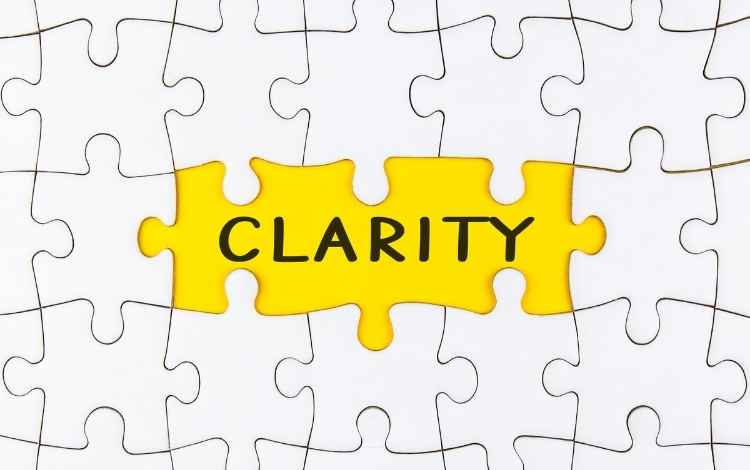
Resting The Mind For Better Clarity
The human mind needs rest to function effectively. When we are constantly engaged, our thoughts become cluttered, making it harder to think clearly.
Taking a break, even after engaging with something like Blooket Join Playhost, allows the mind to reset. This pause helps in organizing thoughts and seeing situations from a fresh perspective.
Clarity often comes not when we are actively searching for answers, but when we give our minds the freedom to rest.
Avoiding Impulsive Decisions
Acting quickly can sometimes lead to mistakes. When we feel pressured to respond immediately, we may overlook important details.
Doing nothing in such situations creates a buffer. It gives us time to evaluate options, consider consequences, and make more informed decisions.
This pause is not a delay but a strategy. It prevents impulsive actions and leads to more thoughtful outcomes.
The Power Of Observation
When we stop acting, we start observing. Observation allows us to gather information without interference.
For instance, browsing platforms like make1m com luxury may offer ideas or insights, but stepping back afterward helps us process what we have seen. Observation without immediate reaction leads to deeper understanding.
By watching and reflecting, we gain insights that action alone cannot provide.
Creativity Thrives In Stillness
Creativity does not always come from constant effort. It often emerges during moments of stillness.
When the mind is relaxed, it becomes more open to new ideas and connections. This is why many creative breakthroughs happen during quiet moments rather than intense work sessions.
Doing nothing allows the brain to wander, which can lead to innovative thinking and fresh perspectives.
Emotional Balance Through Pausing
Constant activity can lead to emotional exhaustion. Taking time to do nothing helps restore emotional balance.
Quiet moments provide an opportunity to process feelings and regain stability. This prevents emotional reactions that may lead to regret.
Engaging with thoughtful concepts like The Unsent Message Projects can be more meaningful when followed by reflection and stillness. This combination deepens emotional understanding.
Reducing Overthinking
It may seem that doing nothing would increase overthinking, but in reality, it often reduces it. When we stop forcing solutions, the mind naturally begins to settle.
Overthinking is often fueled by constant input and pressure. Removing these elements allows thoughts to flow more freely and naturally.
This calm state leads to clearer and more effective thinking.
Allowing Solutions To Emerge Naturally
Some problems cannot be solved through force. They require time and space for solutions to emerge.
When we step back, our subconscious mind continues to process information. This is why answers often appear when we least expect them.
Even while engaging with platforms like dazcfutbol, stepping away afterward can lead to unexpected clarity. Doing nothing creates the conditions for these insights to surface.
Building A Habit Of Intentional Pauses
Doing nothing does not mean avoiding responsibilities. It means creating intentional pauses within your routine.
These pauses can be short moments of stillness, reflection, or simply stepping away from tasks. Over time, they become a habit that improves decision making and overall well being.
Intentional pauses help maintain balance and prevent burnout.

Conclusion
Doing nothing can sometimes be the smartest choice because it allows space for clarity, creativity, and thoughtful decision making. In a world that values constant action, choosing to pause is a powerful and often overlooked strategy. By resting the mind, observing situations, and allowing solutions to emerge naturally, we can make better choices and live more balanced lives. Doing nothing is not about avoiding action, but about ensuring that when we do act, it is with purpose and understanding. Ultimately, the smartest decisions are not always made in moments of activity, but in moments of stillness.